







Search Results for: Niche Origins
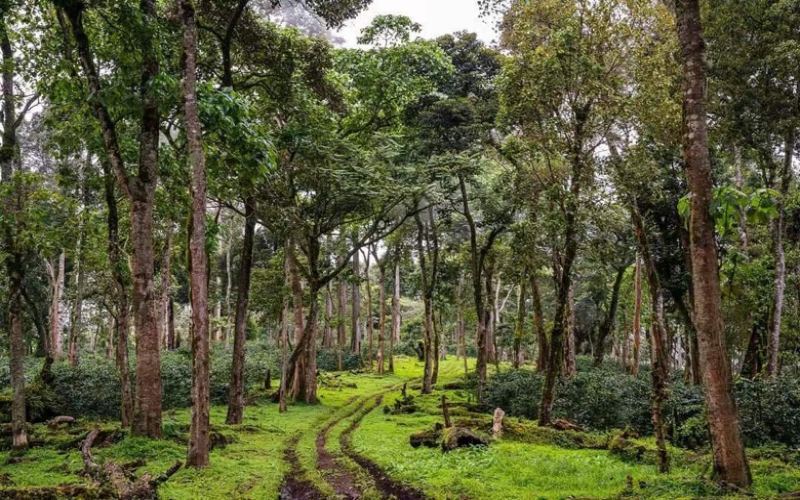
Niche Origins: A Selection Approach Beyond the Mainstream
Once you've been drinking coffee for a while, many people find themselves circling back to the same few familiar names: Yirgacheffe, Mandheling, Blue Mountain. These mainstream origins certainly have their strengths, but the map of the coffee world is far vaster than the regulars on the shelf. Shift your gaze just a little to the side, and you'll often stumble upon surprises. The so-called [more…]

Exploring Melbourne Magic Coffee: The Origins, Recipe, and Comparison with Flat White and Piccolo of This Niche Milk Coffee
In Melbourne, there is a type of espresso milk coffee that spreads only by word of mouth and is almost never printed on menus—it's the Magic. This drink is said to have been born at St Ali cafe in South Melbourne, where local baristas treat it as a kind of code word to refer to a smaller-sized, rich hot milk coffee with no bitter aftertaste. Because it is extremely niche, baristas in many countries have never even heard of it, making it one of the most obscure milk coffees. This article will start with the origin, definition, and preparation of the Magic, and place it alongside the Piccolo and the Flat White, which also come from Oceania, comparing them one by one in terms of strength, milk foam thickness, cup size, and flavor performance, to help you thoroughly understand the charm of this hidden Australian-style coffee. [more…]

What Is Caffè Marocchino? A Look at the Italian Niche Chocolate Drink's Recipe and Flavor Profile
In the big family of fancy espresso drinks, there is a very niche yet highly storied beverage—Caffè Marocchino, often transliterated into Chinese as "玛罗奇诺咖啡," literally meaning "Moroccan coffee." Its combination of ingredients is actually quite familiar: espresso, milk foam, and chocolate sauce or cocoa powder. It sounds similar to a mocha, but the flavor and mouthfeel are completely different. This coffee was born in Italy, and the origin of its name is unexpectedly linked to the brown leather strips of the luxury hat brand Borsalino. This article will take you through the historical origins of Caffè Marocchino, its differences from mocha, and share Front Street Coffee's commonly used preparation method and tasting impressions, so you can easily recreate this layered Italian niche classic at home. [more…]
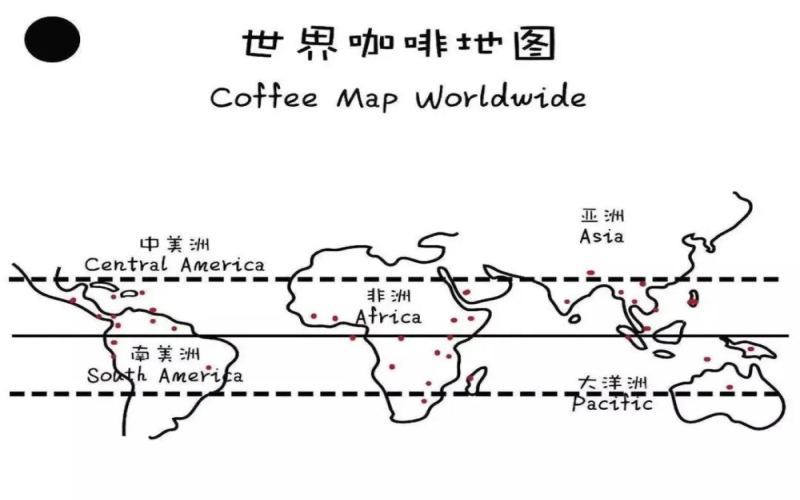
A Panoramic Overview of Latin American Coffee Origins: From Brazil and Colombia to Niche Producers Like Cuba and the Dominican Republic
Coffee trees cannot be grown just anywhere in the world. They only grow in a narrow belt between the Tropic of Cancer and the Tropic of Capricorn, commonly known as the "Coffee Belt." This golden growing belt nurtures three major coffee-producing regions—Latin America, Asia-Pacific, and Africa. Among them, Latin America covers Mexico, Central America, the West Indies, and South America, and is known for its balanced, rich, and full-bodied flavors. The region includes thirty-three countries and several non-independent territories. It is home to major producers such as Brazil, Colombia, Costa Rica, Guatemala, and Panama, as well as relatively niche origins such as Cuba, the Dominican Republic, Venezuela, and Hawaii in the United States. Front Street Coffee will guide you through the coffee history and current situation of these countries one by one. [more…]
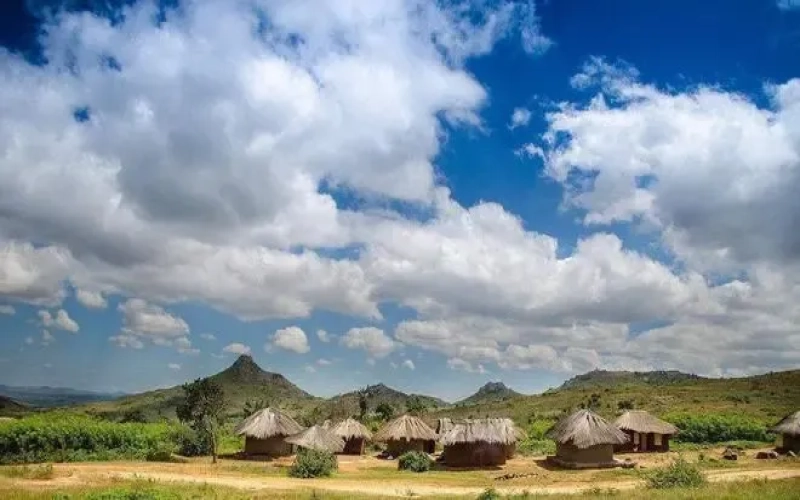
A Panoramic Scan of African Coffee-Producing Regions: An Overview of Malawi, South Africa, Uganda, and Niche Producing Countries
The African continent is blessed with unique highland, volcanic, and river resources, and its coffee-producing regions are widely distributed. In addition to Kenya and Ethiopia, there are several other producing countries worthy of attention. This article focuses on three countries—Malawi, South Africa, and Uganda—and outlines the rise and fall of their respective coffee industries, growing conditions, variety distribution, and flavor characteristics, while also briefly introducing producing regions such as Zambia, Côte d'Ivoire, Zimbabwe, and Angola, which have smaller output but are gradually recovering. The article also retains recommendation information related to the Front Street brand, making it easy for coffee enthusiasts to gain a comprehensive understanding of the diversity of African coffee. [more…]

The Soulful Base of Australian White Coffee: Ristretto Espresso Extraction Principles and Italian Bean Selection
The reason why the Flat White stands out among the many milk coffees lies in its unique base—Ristretto. What exactly is the difference between this extraction method, known as "extra-concentrated espresso" or "refined espresso," and regular Espresso? The preparation methods circulating online are all over the place, and beginners often find it hard to grasp the core essentials. This article, from the perspective of Front Street Coffee, will systematically sort out the definition of Ristretto, its essential connection to Espresso, and the operating logic, pros, and cons of the two mainstream extraction paths. At the same time, for readers who want to make Italian-style extra-concentrated espresso at home, it will also share the flavor characteristics and suitable scenarios of Front Street's specialty blend and classic blend, helping you understand this niche yet fascinating espresso comprehensively, from beans to extraction. [more…]
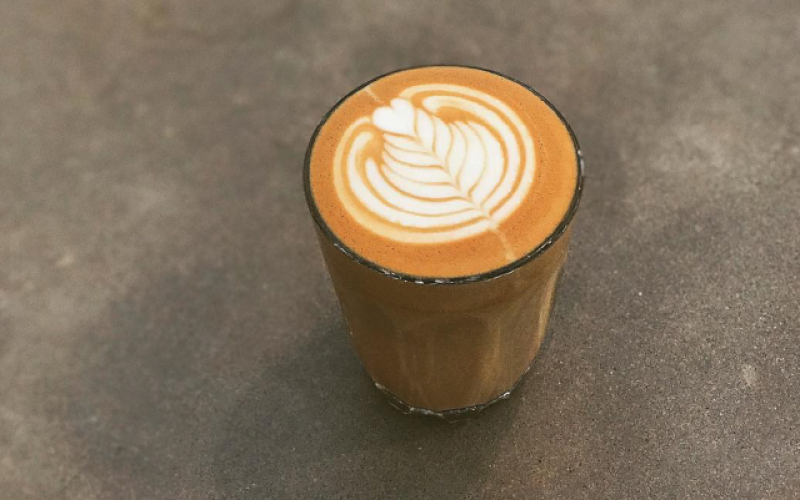
What is Australian Piccolo Latte Coffee? A Full Analysis from Its Origins to Front Street Coffee's Production Method
Beyond the latte, cappuccino, flat white, and dirty, there is another coffee with a very small cup size yet concentrated flavor—the Piccolo Latte. It originated in Australia, deeply influenced by Italian coffee culture, with a cup size about half that of a regular latte, drinkable in two or three sips. The original intention of the Piccolo was for roasters and baristas to reduce the milk ratio when dialing in coffee to avoid waste, and it later became an ideal choice for people who do not want to consume too much caffeine or feel too full. This article will start with the definition, origin, and recipe controversies of the Piccolo, and then introduce in detail how Front Street Coffee uses its own roasted "Sunflower Warm Sun Blend Coffee Beans," a single Ristretto, and a small amount of steamed milk to create an Australian-style Piccolo with full aroma and a long finish, giving you a complete understanding of this niche yet charming coffee. [more…]

Types of Espresso | What's the Difference Between Ristretto and Regular Espresso? Which Espresso Is Best for a Flat White?
For more specialty coffee knowledge, please follow the WeChat public account: FrontStreet Coffee. Coffee is now gradually becoming more widespread, and more and more consumers are beginning to learn about coffee. On the one hand, industry giants still maintain their leading position, while on the other hand, independent niche coffee shops are also [more…]
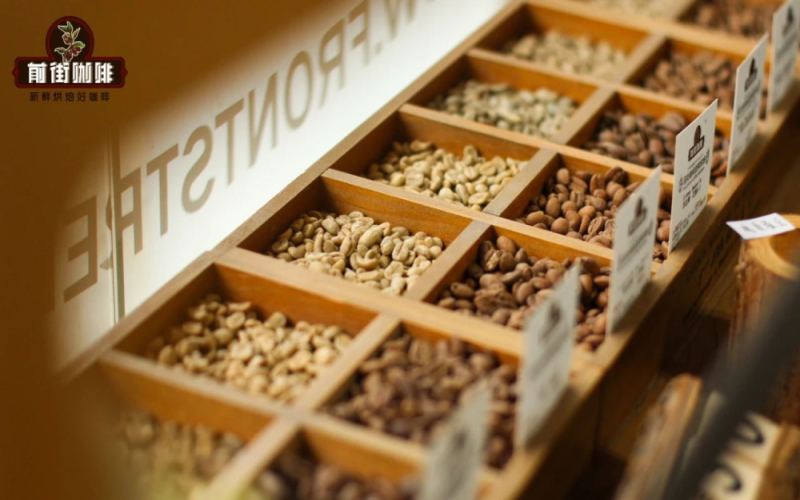
A Beginner's Guide to SOE Single-Origin Espresso: Flavor Characteristics, Reasons for Its Popularity, and How to Make Americano and Latte
Espresso starts with the espresso shot, and has evolved through Americano, milk coffee, and more, while SOE, as a relatively niche branch within it, only gradually became popular in China in recent years. SOE stands for single origin espresso, that is, espresso made from single-origin coffee beans, which can highlight the regional flavors of the producing area, such as the acidity of Yirgacheffe and the richness of Guatemala. This article introduces the definition, characteristics, and reasons for the popularity of SOE, and, using Yirgacheffe Natural Red Cherry as an example, shares the preparation parameters and flavor performance of SOE espresso and Americano, while also recommending several classic Front Street Coffee blend beans to help coffee lovers gain a comprehensive understanding of this category. [more…]
Papua New Guinea Bird of Paradise Coffee Beans: Full Analysis of Typica Lineage, Blue Mountain Origins, and Pricing
Front Street Papua New Guinea Bird of Paradise coffee beans are surprisingly made from the oldest and most classic variety, Typica, sharing the same lineage as the famous Front Street Jamaica Blue Mountain and Front Street Hawaii Kona. This also explains why Bird of Paradise coffee is not exactly affordable. However, aside from being able to drink Papua New Guinea beans at certain chain coffee shops, you can actually easily get your hands on this coffee from a niche origin at home for everyday drinking. This article will outline the origin and spread of Typica, its main cultivated varieties, and include a tasting comparison of three beans—Front Street Blue Mountain, Front Street 2013 Typica, and Bird of Paradise—along with brand recommendations and value-for-money analysis, to help coffee lovers gain a comprehensive understanding of this precious tree variety. [more…]
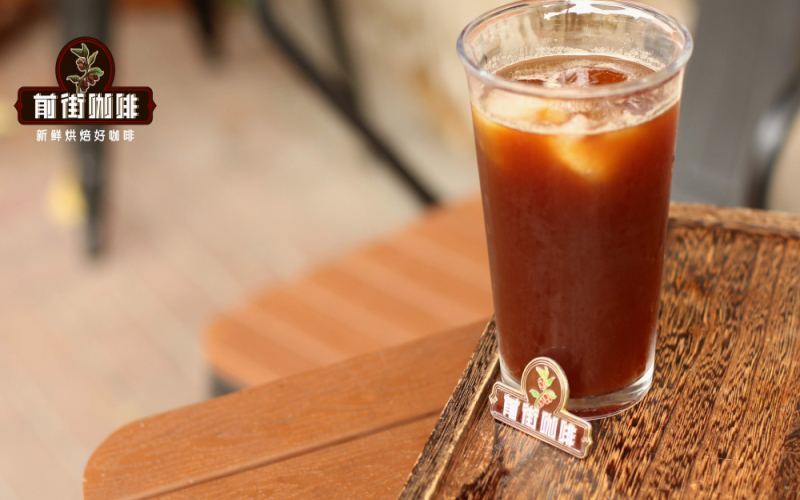
What is an Australian Long Black? How does it differ from Americano and Lungo in terms of serving characteristics?
On the menus of many cafés, Americano often appears first and is one of the most frequently ordered black coffees. As specialty coffee culture continues to deepen, some originally niche coffee types are being added to menus by more shops, among them the Long Black, which looks quite similar to an Americano. Long Black is often translated as Australian Black Coffee. It uses espresso as its base and, by adjusting the proportion of water added and the order of serving, presents a concentration and mouthfeel layering different from Americano. This article will sort out the origins and preparation methods of the Long Black, as well as its differences from Americano in water amount, concentration, and flavor expression. At the same time, combined with Front Street Coffee's approach to serving, it will help coffee lovers more clearly understand the respective styles of these black coffees. [more…]

What is the difference between coffee astringency and tea-like body? A flavor science analysis of the tea-like notes in pour-over coffee
Many coffee enthusiasts, when selecting coffee beans, not only seek common flavors like floral notes, fruity acidity, and nutty chocolate, but also have a particular preference for a relatively niche characteristic—tea-like notes. When customers stand in front of the Front Street Coffee bean list, hesitating with a request like "I want a coffee with a stronger tea-like feel," we can't help but ask: tea is tea, coffee is coffee, so why can coffee reveal the charm of tea? In fact, coffee does contain the same aromatic compounds as tea leaves. This article will approach from the perspective of flavor science, analyzing the principles behind the formation of tea-like notes in coffee, the similarities and differences between coffee astringency and tea astringency, and explaining which varieties, origins, processing methods, roast levels, and brewing techniques can make coffee exhibit tea-like notes. Finally, it will include Front Street Coffee's recommended list of tea-like beans for everyone's reference when purchasing. [more…]
Papua New Guinea Coffee: A Guide to the Flavor, Origins, and Tasting of Distinctive Washed Arabica Beans
Although Papua New Guinea is not a major coffee-producing country, it has earned a place in the specialty coffee landscape of Oceania thanks to its carefully washed Arabica beans. Its coffee is known for a silky-smooth mouthfeel, moderate acidity, rich fruity aromas, and herbal notes, with high body and mild acidity; whether brewed as a single-origin espresso or used in blends, it can effectively balance the shortcomings of overly acidic coffees. When blended with Front Street Guatemala Antigua coffee, it further interweaves layers of fruit and cocoa flavors. The country is located in the tropics, with high humidity and abundant rainfall, and fertile volcanic soil, providing an ideal environment for coffee cultivation. This article introduces Front Street Papua New Guinea coffee in terms of its processing method, varieties, flavor performance, and origin background, while preserving its unique experience of being paired with Guatemala coffee for drinking, making it suitable for coffee enthusiasts who want to gain an in-depth understanding of this niche specialty coffee from origin to cup. [more…]
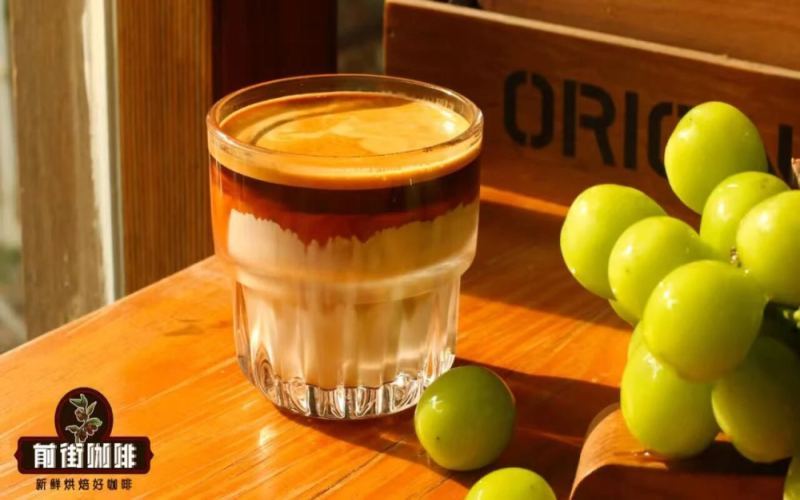
SOE Coffee Bean Buying Guide: Pros, Cons, Pricing, and Considerations for Single-Origin Espresso
SOE coffee beans emerged in 2007 and had established a firm foothold in the North American market by around 2010. Today, more and more cafés feature them as their seasonal highlight. SOE, or Single Origin Espresso, refers to espresso extracted under high pressure from a single-origin coffee bean using an espresso machine. It is not some mysterious formula—essentially, it simply swaps a blend for a single-origin bean—but the resulting differences in flavor expression, consistency, and price are worth every coffee lover's serious attention. This article will explore the concept, common misconceptions, and key points for bean selection, while also recommending several distinctive, niche SOE beans from Front Street Coffee to help you make a more suitable choice based on your personal taste preferences. [more…]
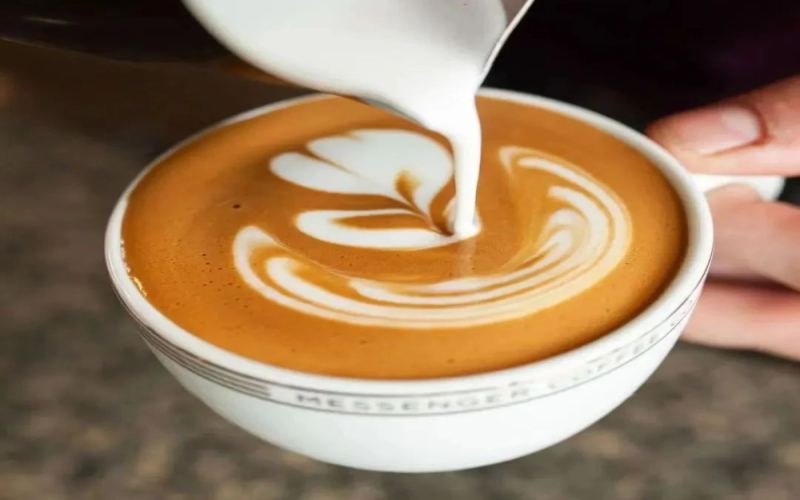
What is a Dirty Coffee? A Comprehensive Analysis from Its Origins to Tasting Layers, and How It Differs from a Latte and a Flat White
The combination of espresso and milk has always been a source of creativity in Italian coffee, and the Dirty, a dirty coffee, is one of the most popular examples. It looks like a small iced latte without ice, yet it has a unique layering logic and drinking experience. Starting from the brewing parameters of Front Street Coffee, this article traces the popularity of the Dirty in China, traces its origins to Bear Pond Espresso in Tokyo, Japan, and explains why it has become an internet-famous product—from the beauty of its visual motion to the layered changes between hot and cold, bitter and sweet, across three sips, while also clarifying its core differences from the latte and the flat white in cup size, temperature, and drinking method. [more…]
A Complete Guide to Ristretto: Meaning, Extraction Principles, and Comparison of Two Brewing Methods
Among the many espresso drinks, the Flat White has won over a large following with its rich, sweet, and creamy taste, and its soul base is precisely the Ristretto—a niche coffee often translated as "extra-concentrated" or "ristretto shot." It shares the same origin as regular Espresso, yet due to the "restrictions" of its extraction method, it presents a completely different flavor profile. Opinions on how to make a Ristretto vary widely online, leaving many beginners confused. This article, from the perspective of Front Street Coffee, will systematically sort out the definition of Ristretto, its unique place in the espresso family, the choice of coffee beans suitable for making it, and the two currently mainstream extraction approaches, to help you truly understand the logic behind this shot of espresso and find the method that best suits you or your café. [more…]
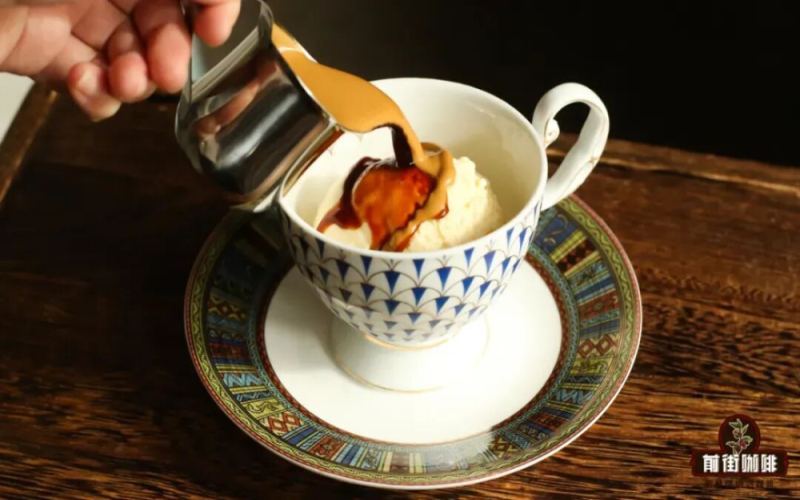
Why Is Affogato So Hard to Find in Cafés? From Its Origins to Preparation, Learn to Pair Ice Cream with Espresso
Affogato is a classic Italian dessert made by pouring espresso over ice cream, winning countless fans with its unique texture of hot and cold intermingling and the clash of bitter and sweet. Yet, walk into most coffee shops and it's hard to find it on the menu, and behind this lie issues of name recognition and taste acceptance, as well as business owners' cost considerations. This article takes you through the origins and development of Affogato, analyzes the three reasons it is rarely seen in coffee shops, and shares tips on bean selection, extraction, and ice cream pairing to easily recreate it at home. At the end, there's a hands-on demonstration from Front Street Coffee, using the Autumn Chestnut Blend to make a cup of Affogato that boasts both good looks and flavor. [more…]
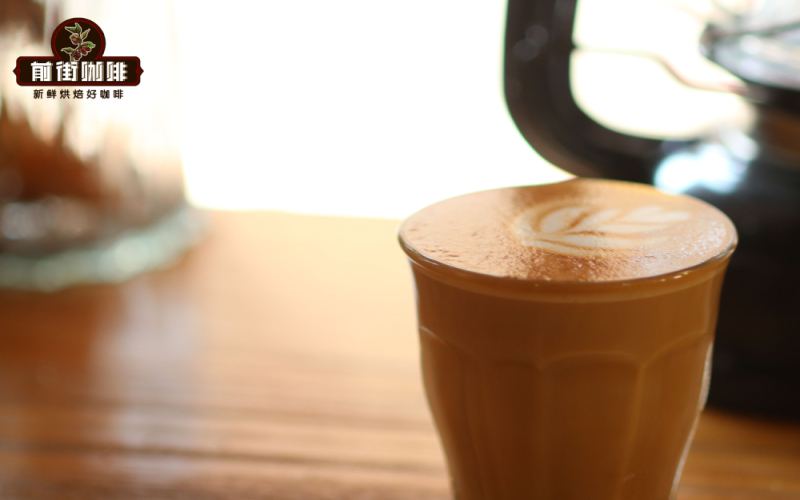
The naming origins of Piccolo coffee, its preparation ratios, and an analysis of its taste differences compared to Flat White, Latte, and Cappuccino
Italian coffee variations are constantly being reinvented, and while lattes and cappuccinos have long been deeply ingrained in people's minds, the niche drink known as Piccolo coffee is rarely mentioned. In Italian, Piccolo means "small," and Latte refers to milk; after being introduced into English, it derived the translated name "Piccolo." It uses 15 to 20 milliliters of espresso paired with steamed milk, served in a glass cup of about 100 milliliters, with the core aim of making the coffee flavor more prominent and the mouthfeel smoother. From the perspective of Front Street, this article explains in detail the preparation parameters and coffee bean selection for Piccolo Latte, and compares it with Flat White, Latte, and Cappuccino in terms of concentration and milk foam texture, helping coffee enthusiasts find the cup that suits their taste. [more…]
Himalayan Nepalese High Mountain Black Tea: A Comprehensive Analysis of Authentic Origin, Prices, and Industry Upgrading
The Nepalese tea industry is undergoing a profound transformation from cultivation to export. Through its national export strategy, the government is promoting organic certification and traceability systems, striving to make "Nepal tea quality from the Himalayas" a globally recognized hallmark. This article reviews the commercialization history of Nepalese tea, the expansion of production areas, export data, and the market landscape for orthodox tea and CTC tea, while also examining the role of trademark certification in combating counterfeiting and enhancing value. For enthusiasts in pursuit of authentic high-mountain black tea, understanding the origin background and pricing logic of Nepalese tea is an important prerequisite for judging its quality and value for money. Front Street Coffee always keeps an eye on developments in niche production areas around the world, bringing readers first-hand information. [more…]
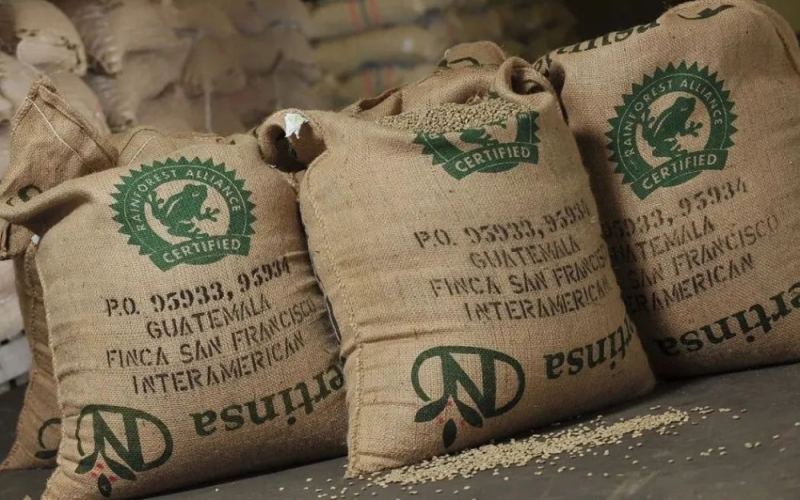
Rainforest Alliance Certification and the "Frog Bean" Revealed: The Sustainable Coffee System Behind the Red-Eyed Tree Frog Logo
In the specialty coffee world, the term "frog bean" may be niche, but it points to a rigorous environmental certification system—Rainforest Alliance certification. Coffee beans bearing the green red-eyed tree frog logo mean that everything from cultivation to processing meets ecological protection and social responsibility standards. This article will walk you through the origins of the Rainforest Alliance, its merger with UTZ, the specific contents of the certification criteria, and why the red-eyed tree frog was chosen as the logo. We will also introduce the rare coffees currently on the market that have obtained this certification, including Front Street Coffee's Panama Diamond Mountain and Jamaica Clifton Mount Estate Blue Mountain No. 1, to help you understand the flavor and value behind "frog beans." [more…]